
关键信息
-
基因名
BNP
- 应用
-
别名
GC-B; B-Type Natriuretic Peptide; Ventricular Natriuretic Peptide; Gamma-brain natriuretic peptide; Brain natriuretic peptide 32
-
种属
Mouse
-
表达系统
E. coli
-
标签
Two N- s, His- & SUMO-
-
纯度
Greater than 90% as determined by SDS-PAGE.
-
蛋白编号
P40753
-
表达区间
Ser77~Leu121
-
蛋白长度
Partial
-
分子量
19kDa
-
内毒素
< 1.0 EU per μg protein as determined by the LAL method.
-
性状
Freeze-dried powder
-
缓冲液
PBS, pH7.4, containing 0.01% SKL, 1mM DTT, 5% Trehalose and Proclin300.
-
复溶方法
Reconstitute in ddH2O to a concentration of 0.1-0.5 mg/mL. Do not vortex.
- 个性化定制
-
稳定性测试
The thermal stability is described by the loss rate. The loss rate was determined by accelerated thermal degradation test, that is, incubate the protein at 37℃ for 48h, and no obvious degradation and precipitation were observed. The loss rate isless than 8% within the expiration date under appropriate storage condition.
-
保存条件 & 期限
Samples are stable for up to twelve months from date of receipt at -20℃ to -80℃. Store it under sterile conditions at -20℃ to -80℃. It is recommended that the protein be aliquoted for optimal storage. Avoid repeated freeze-thaw cycles.
-
运输条件
In general, recombinant proteins are supplied as lyophilized powder and shipped at ambient temperature. For bulk packages, the proteins are provided as frozen liquid and shipped with blue ice, unless otherwise requested by the customer.
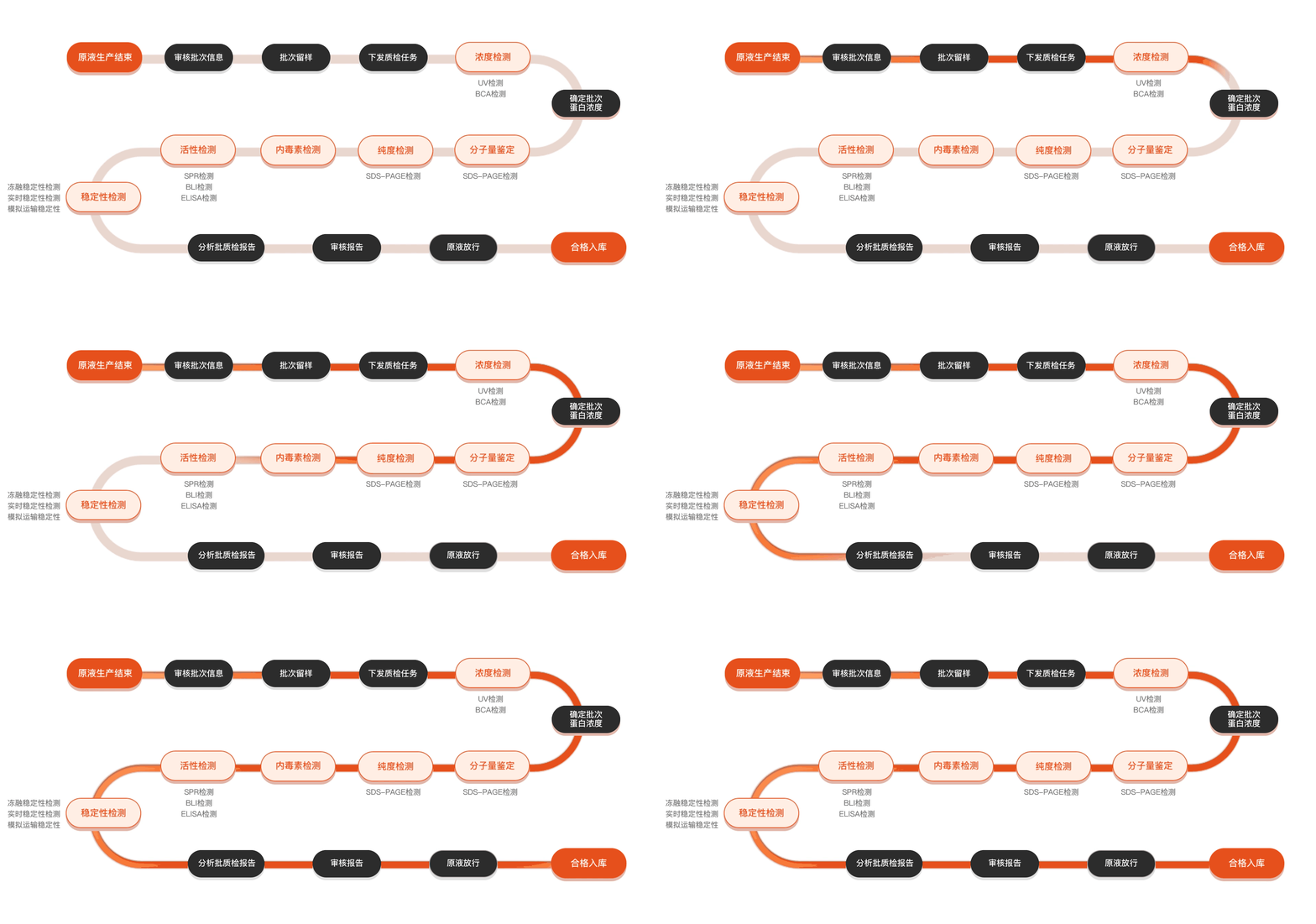
质检流程
相关产品
背景信息
B-type Natriuretic Peptide (BNP) is a crucial biomarker historically associated with heart failure and other cardiovascular conditions, possessing significant roles in cardiovascular homeostasis and regulation of blood pressure. The peptide is released by the ventricles in response to increased cardiac wall stress, signifying heart strain and dysfunction. In recent years, the research focus has shifted towards the exploration of BNP's role as a therapeutic target and its potential in regenerative medicine. The reconfiguration of BNP into recombinant proteins aims to enhance its stability, bioavailability, and therapeutic efficacy. Advances in recombinant DNA technology have allowed for the production of BNPrelated proteins that exhibit improved pharmacokinetics and pharmacodynamics compared to native BNP. This research addresses the challenges of conventional treatments for heart failure and opens doors for innovative therapies aimed at restoring cardiac function. With the increasing prevalence of cardiovascular diseases globally, the development of engineered BNP may offer promising avenues for more effective and targeted treatment strategies, providing hope for better management of heart-related ailments and improved patient outcomes.