
关键信息
-
基因名
GLP-1/GCG
- 应用
-
别名
GC; GLP1; GLP2; GRPP; Glicentin-Related Polypeptide; Glucagen; Oxyntomodulin; Incretin hormone
-
种属
Human
-
表达系统
E. coli
-
标签
N- His-GST
-
纯度
Greater than 85% as determined by SDS-PAGE.
-
蛋白编号
P01275
-
表达区间
53-89aa
-
蛋白长度
Partial
-
分子量
34.4 kDa
-
内毒素
< 1.0 EU per μg protein as determined by the LAL method.
-
性状
Freeze-dried powder
-
缓冲液
PBS, pH7.4, containing 0.01% SKL, 1mM DTT, 5% Trehalose and Proclin300.
-
复溶方法
Reconstitute in ddH2O to a concentration of 0.1-0.5 mg/mL. Do not vortex.
- 个性化定制
-
稳定性测试
The thermal stability is described by the loss rate. The loss rate was determined by accelerated thermal degradation test, that is, incubate the protein at 37℃ for 48h, and no obvious degradation and precipitation were observed. The loss rate isless than 8% within the expiration date under appropriate storage condition.
-
保存条件 & 期限
Samples are stable for up to twelve months from date of receipt at -20℃ to -80℃. Store it under sterile conditions at -20℃ to -80℃. It is recommended that the protein be aliquoted for optimal storage. Avoid repeated freeze-thaw cycles.
-
运输条件
In general, recombinant proteins are supplied as lyophilized powder and shipped at ambient temperature. For bulk packages, the proteins are provided as frozen liquid and shipped with blue ice, unless otherwise requested by the customer.
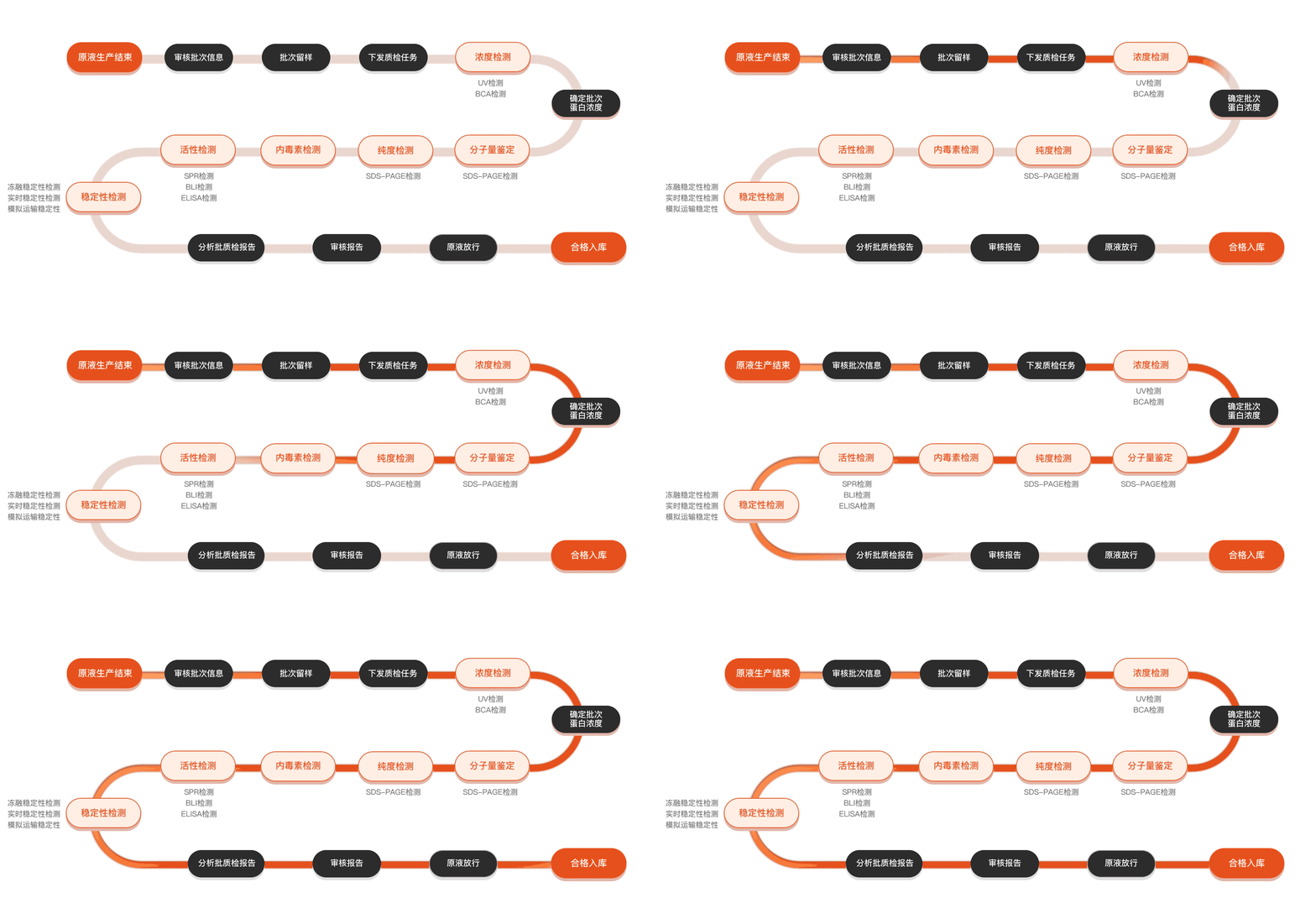
质检流程
相关产品
背景信息
GLP-1 (glucagon-like peptide-1) and GCG (glucagon) are two key hormones in the regulation of glucose metabolism, with significant implications in diabetes and obesity treatment. GLP-1 is an incretin hormone secreted by the intestinal L-cells in response to nutrient intake, promoting insulin secretion, inhibiting glucagon release, and enhancing satiety, thus lowering blood glucose levels. In contrast, glucagon, produced by the alpha cells of the pancreas, plays a critical role in increasing blood glucose by stimulating hepatic glucose production. The imbalance between GLP-1 and glucagon signaling pathways is a central feature of type 2 diabetes, leading to hyperglycemia and related metabolic disturbances. Recent advances in biotechnology have enabled the development of recombinant proteins that mimic or modify the actions of these hormones, providing a promising therapeutic avenue for metabolic disorders. Research into the dual targeting of GLP-1 and glucagon through engineered proteins has shown potential in improving glycemic control and promoting weight loss, addressing the limitations of existing treatments. The exploration of GLP-1/GCG co-agonists or novel formulations is at the forefront of diabetes research, aiming to re-establish the balance in glucose homeostasis. Such approaches could enhance the efficacy and safety of diabetes management, paving the way for innovative strategies to tackle the increasing prevalence of metabolic diseases globally. As understanding of the physiological roles and interactions of these hormones deepens, the potential for effective therapeutic interventions continues to expand, highlighting the importance of GLP-1/GCG recombinant proteins in modern endocrinology and metabolic research.